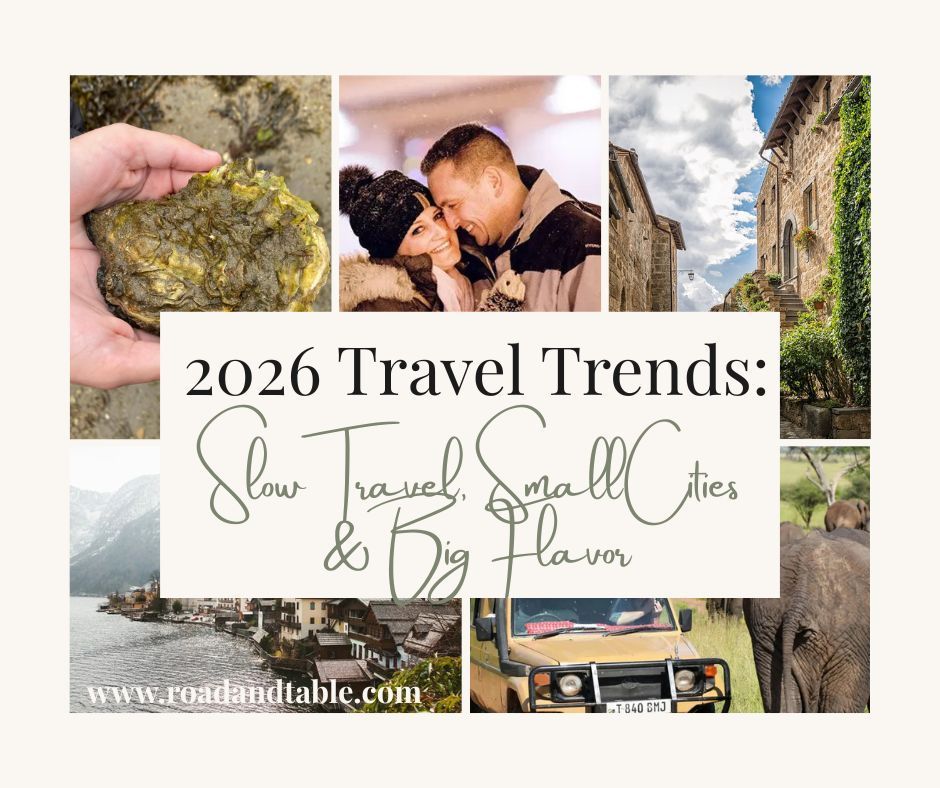
2026 Travel Trends: Slow Travel, Small Cities & Big Flavor
Written By: Jamie Cassidy | Road & Table Travel
Table of Contents:
- The Shift Toward Traveling with Intention
- TREND #1: Fewer Trips, Higher Value (The Rise of Bucket-List Travel)
- TREND #2: Shoulder Season & Off-Peak Travel Takes Center Stage
- TREND #3: Smaller European Cities Are Outshining the Classics
- TREND #4: Cool-Climate Travel Is Replacing Heat-Heavy Destinations
- TREND #5: Cultural Cities Where Food Is the Experience
- Final Thoughts
The Shift Toward Traveling with Intention
Travel in 2026 isn’t about collecting passport stamps or squeezing in as many long weekends as possible. It’s about choosing fewer trips — and choosing them well. Travelers are moving away from rushed itineraries and peak-season crowds in favor of intentional travel, deeper cultural connections, and food-focused experiences where meals linger long after the plates are cleared.
As travel becomes more thoughtful, many travelers are realizing they don’t want to plan these trips alone. This shift is bringing more people to the table with travel designers who can align destination, timing, and experience into a trip that truly fits each traveler. At Road & Table, we help travelers navigate bucket-list planning, shoulder-season travel, and culinary-driven itineraries, ensuring every detail supports a richer, more meaningful journey.
This is how we’ve always believed travel should be planned: slower, smarter, and seasonally timed, built around culture, connection, and the meals that make a destination unforgettable.
Everyone has that trip — the one they’ve talked about for years but never quite planned. 2026 is the year many travelers are finally saying, “no more waiting.” Life feels fuller, priorities are clearer, and people are ready to enjoy the fruits of their labor. Instead of packing in multiple short trips, travelers are choosing fewer journeys and going deeper into their dream destinations — staying longer, slowing down, and truly experiencing a place rather than skimming the surface.
This shift toward intentional, immersive travel is what’s shaping the bucket-list trend in 2026. Hands-on experiences — cooking, tasting, learning, connecting — are no longer add-ons; they’re the reason for the trip. And nothing excites me more than when a client reaches out ready to finally start planning the journey they’ve been dreaming about for years.
These are the kinds of bucket-list journeys that align perfectly with the Road & Table way of traveling — slower, richer, and built around food, culture, and connection:
- Iceland Slow Ring Road & Regional Stay
A deliberately paced journey focused on one or two regions rather than the entire island, with time for geothermal spas, coastal walks, local seafood, bakeries, and seasonal experiences like the Northern Lights or midnight sun — not a rushed checklist of stops.
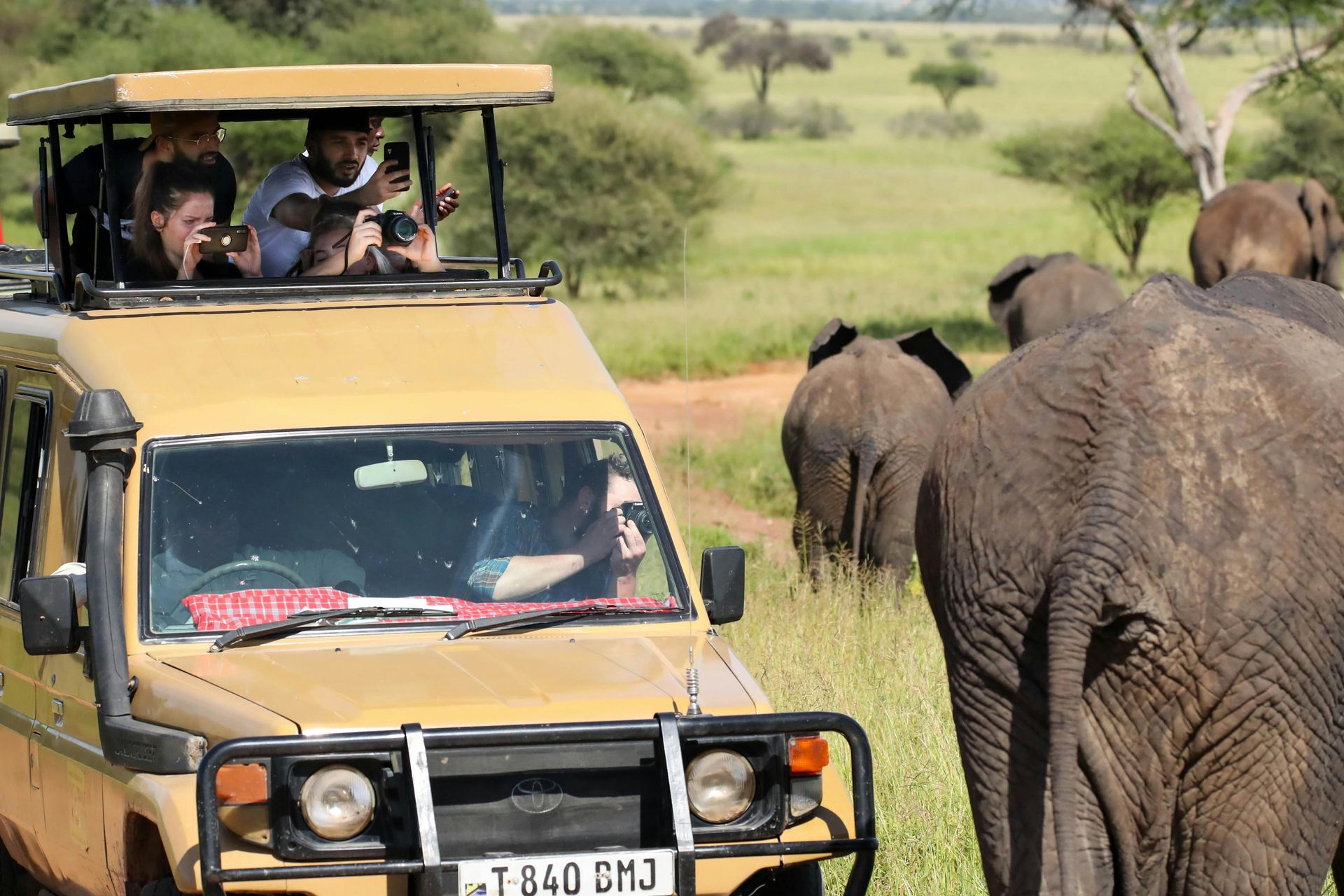
- African Safari Immersive Lodge Stay
A once-in-a-lifetime safari built around fewer camps and longer stays, allowing travelers to fully experience wildlife, conservation efforts, local culture, and regional cuisine — pairing adventure with meaning and connection.
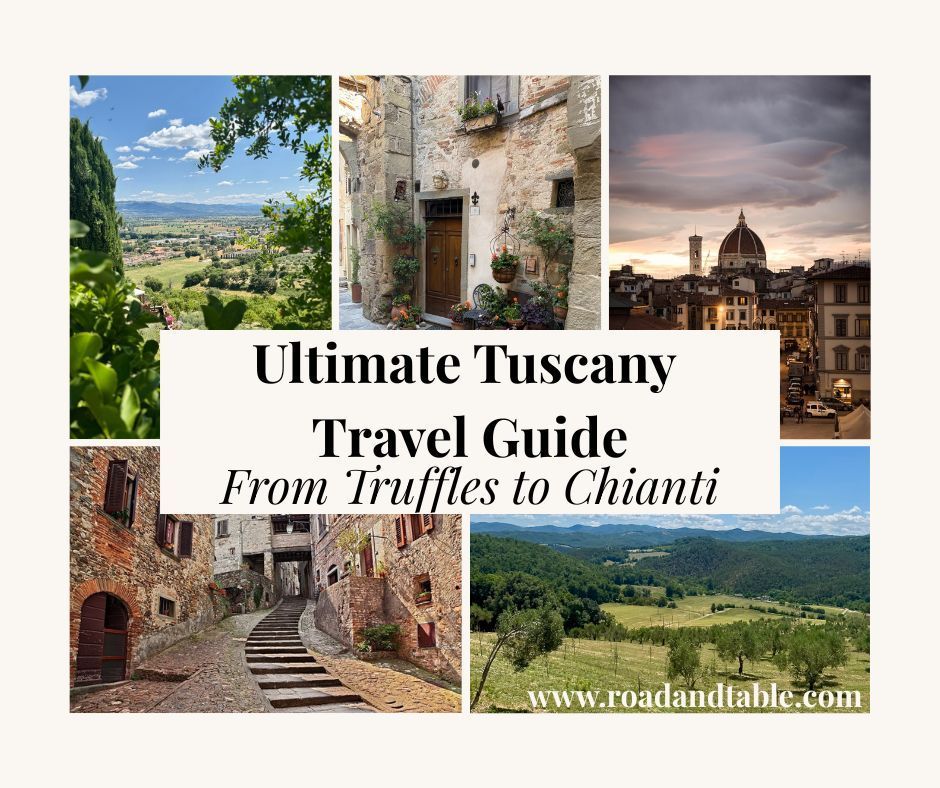
- Tuscany Slow Stay
A multi-week stay centered around hill towns, cooking classes, vineyard visits, truffle hunting, and market mornings — with afternoons left intentionally unscheduled and no rushed city hopping.
- Ireland Beyond the Postcards
A slower journey through coastal villages and rural regions, focusing on pub culture, storytelling, local seafood, hands-on food experiences, and time to truly settle into place rather than race across the country.

Don’t sleep on off-peak and shoulder-season travel. If your schedule allows you to travel just before or just after peak season, you’ll often enjoy the best parts of a destination — great weather, full restaurant and tour offerings, and lively local energy — without the crowds or peak-season price tag. This approach fits perfectly with the 2026 travel trend toward slow travel, where staying longer, moving less, and experiencing more matters far more than hitting every highlight.
Traveling during shoulder season isn’t about compromise — it’s about traveling smarter. It’s one of the easiest ways to slow down, stretch your budget, and experience a destination the way it was meant to be enjoyed.
Here are a few Road & Table–approved destinations and their ideal shoulder seasons to consider:
Belize — Late April–Early June | Late November
Belize shines just outside peak season, offering warm weather, fewer crowds, and better value on boutique resorts and excursions. This is an ideal time for food-focused travelers to enjoy coastal cuisine, market visits, and inland cultural experiences without the high-season rush.
Why it works:
Culinary immersion, relaxed pace, excellent value.
Check out our Belize Travel Guide!
Ireland — April–May | September–October
Ireland’s shoulder seasons deliver mild weather, greener landscapes, and quieter coastal villages. It’s the perfect time for slow drives, pub culture, seafood, and storytelling, with far fewer tour buses and more access to local experiences.
Why it works:
Cool climate, smaller towns, culture-first travel.
Read our West of Ireland Travel Guide!
Italy — April–May | Late September–October
Italy truly shines in the shoulder season, when temperatures are comfortable, crowds thin, and food experiences take center stage. Fall brings harvest season, while spring offers markets, festivals, and slower village life — ideal for Tuscany, Umbria, and smaller cities.
Why it works:
Culinary travel, wine regions, slower pacing, bucket-list appeal.
Want to experience Tuscany the Road and Table way? Read our Tuscany Travel Guide!
Scotland — May | September
Scotland’s shoulder months offer longer daylight, cooler temperatures, and fewer crowds in both cities and the Highlands. It’s an ideal time for whisky tastings, coastal seafood, and immersive regional stays without summer congestion.
Why it works:
Cool climate, food & drink culture, intentional travel.
Portugal — April–May | October
Portugal’s shoulder seasons bring comfortable temperatures and a more local feel, especially in wine regions and smaller towns. Travelers can enjoy markets, seafood, and slow coastal living without peak summer crowds.
Why it works:
Smaller cities, culinary focus, excellent value.
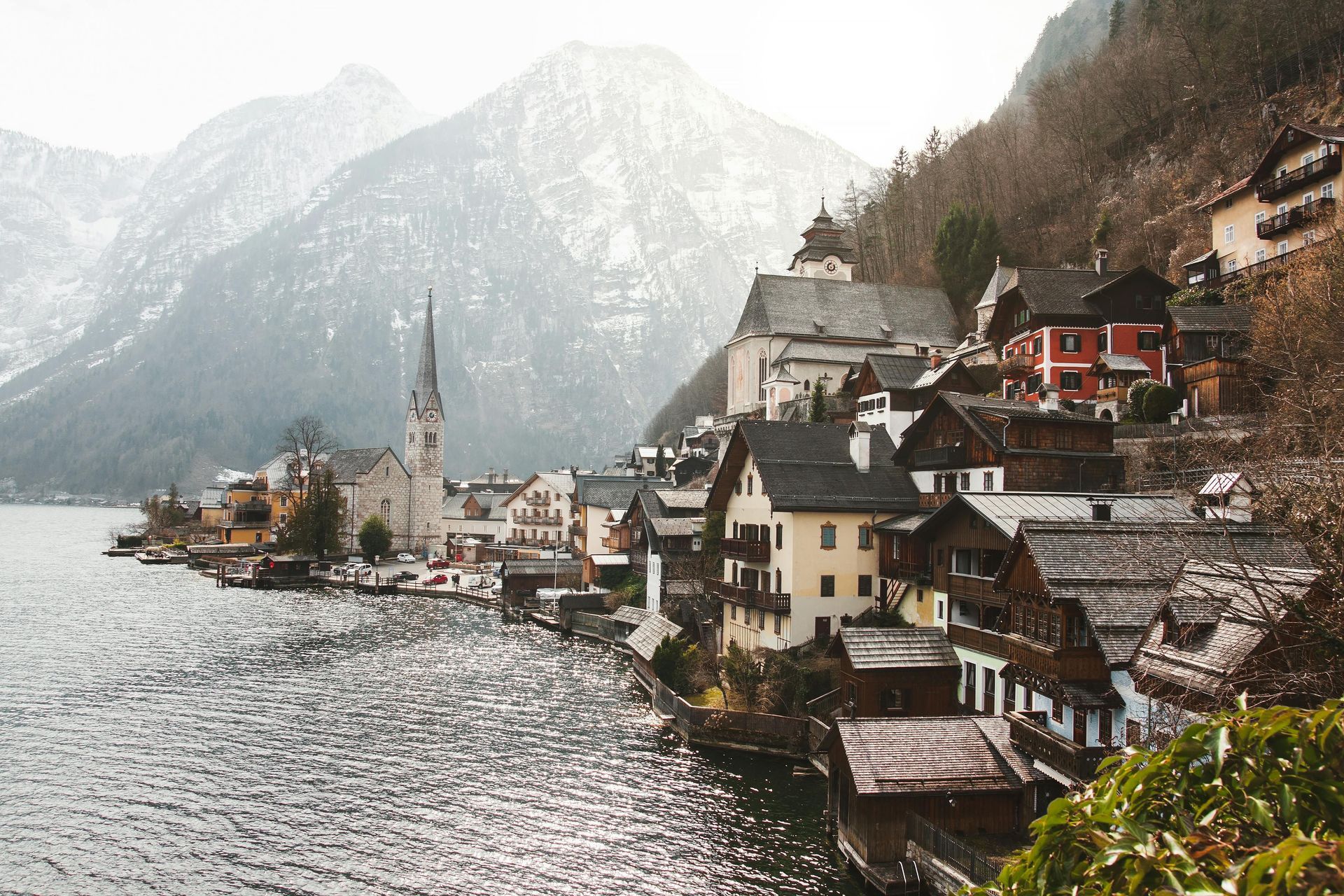
After our trips to Anghiari, Italy and Clifden, Ireland I realized something clearly: smaller cities outshine the classics every time. It’s in these places that you feel a deep connection — where you start to feel like you belong, rather than just being another name in the crowd. This trend isn’t about seeing more; it’s about experiencing more.
It’s finding a small restaurant overlooking the Tuscan valley, sipping wine all afternoon while indulging in gnocchi, local meats, and cheese — the sun warming your face as you stroll the streets at an unhurried pace on your way home for the night. Or it’s discovering an Irish pub just around the corner, tucking yourself into the back by the fire with a Guinness in hand, listening to traditional music late into the evening. Nowhere to go. Nowhere to be. This is the heart of slow travel — and why smaller cities are defining travel in 2026.
Small cities invite you to slow down enough to notice the details — the meals, the music, the moments that turn a trip into a memory. And in 2026, that’s exactly the kind of travel more people are choosing.
Small European Cities That Make the Road & Table List
These destinations reward travelers who slow down, stay longer, and travel with intention:
- Anghiari, Italy
A perfectly preserved Tuscan hill town with panoramic views, intimate trattorias, and a rhythm of life built around food, conversation, and community.
- Clifden, Ireland
A charming coastal town that serves as the heart of Connemara, known for live music, cozy pubs, local seafood, and dramatic landscapes that invite lingering.
- Saint-Émilion, France
A storybook wine village where cobblestone streets, vineyard lunches, and slow afternoons tasting Bordeaux wines define the experience.
- Cadaqués, Spain
A whitewashed coastal town with an artistic soul, relaxed seaside dining, and a pace that encourages long lunches and sunset walks.
- Hallstatt, Austria
A lakeside village where early mornings and evenings offer quiet beauty, local cuisine, and a sense of calm far removed from major cities.
- Lucca, Italy
A walkable walled city filled with markets, bike rides along ancient walls, casual wine bars, and the kind of everyday Italian life travelers crave.

Cooler climates often mean richer food cultures and longer meals, and I’m loving this travel trend for 2026. When the weather cools, travel naturally slows down — meals linger, conversations stretch longer, and cozy spaces become part of the experience. On my own personal bucket list is Finland in winter, where snow-covered landscapes, saunas, and candlelit dinners create one of the most magical and romantic getaways imaginable.
One of the most enchanting trips Jeff and I have ever taken was to Old Quebec City in winter. The snow-dusted streets, fire pits lining the cobblestones, and the warmth of cozy restaurants tucked into centuries-old buildings made it feel like stepping into a storybook. Cool-weather travel does take a bit more planning — from packing the right layers to choosing accommodations and experiences that keep you comfortable — but when done well, it’s incredibly rewarding.
Road & Table Picks: Cool-Weather Destinations to Consider
These destinations shine when temperatures drop and travel slows:
- Old Quebec City(Read Our Travel Guide)
European charm without crossing the Atlantic, featuring French-inspired cuisine, cozy bistros, winter festivals, and walkable streets made for slow evenings and lingering meals.
- Iceland
A cool-climate dream for travelers who love dramatic landscapes paired with hearty cuisine, geothermal spas, and intimate dining — especially magical in winter and shoulder seasons.
- Finland
Winter travel at its most romantic, with sauna culture, snow-covered forests, Northern Lights experiences, and meals designed to warm you from the inside out.
- Scotland
Cool temperatures, rich culinary traditions, whisky tastings, coastal seafood, and cozy pubs make Scotland ideal for travelers who enjoy atmosphere as much as scenery.
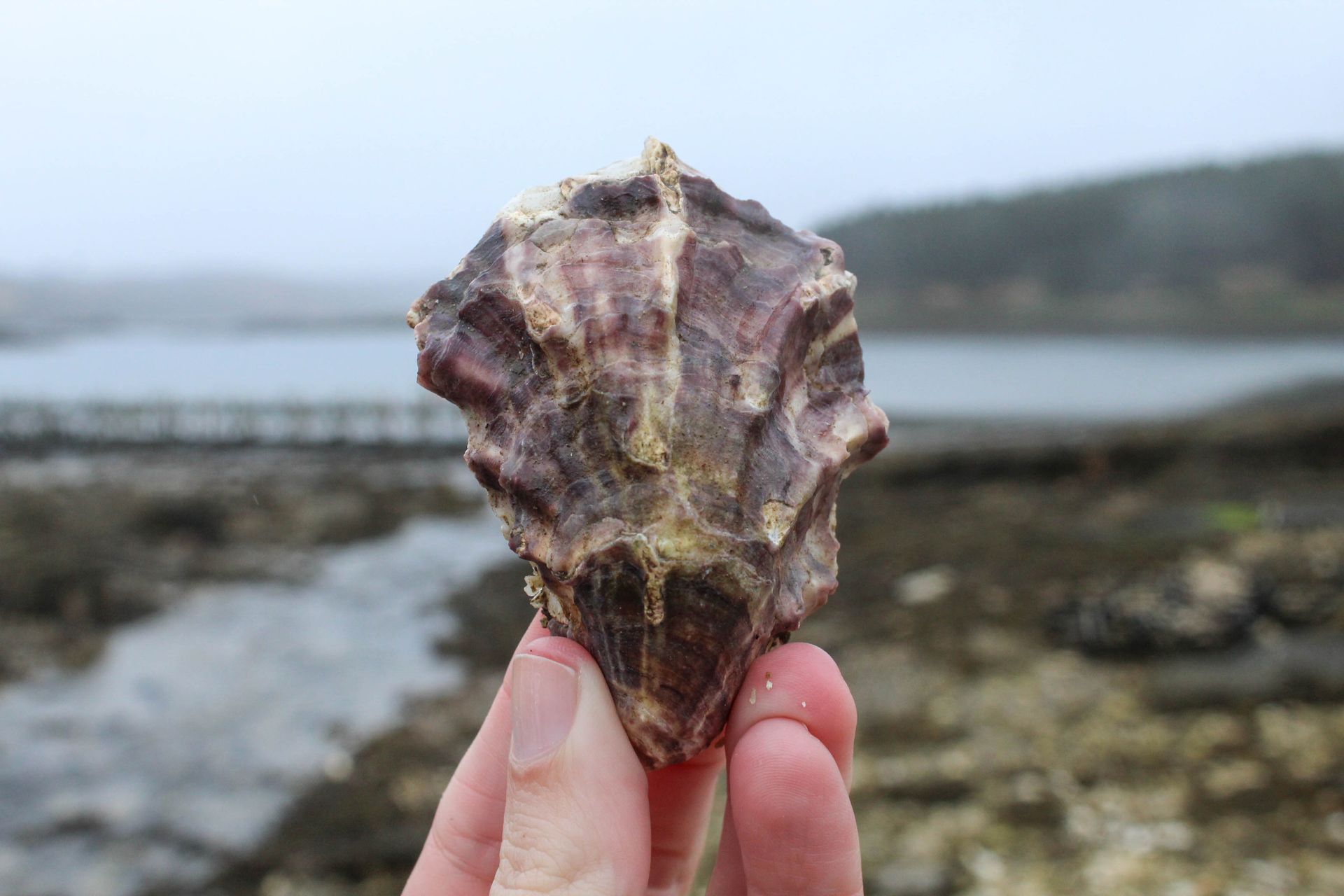
In 2026, travelers aren’t just choosing destinations — they’re choosing tables. And nowhere is this more apparent than in culture-rich cities where food isn’t an activity added to the itinerary, but the heartbeat of daily life. This is where the rise of Latin American cultural cities and the evolution of culinary travel naturally merge into one powerful trend.
Travelers are looking for places where meals tell stories — where recipes are passed down through generations, markets are central gathering places, and food reflects history, geography, and identity. Instead of hopping between destinations, travelers are settling into one city or region, slowing their pace, and letting the rhythm of local life guide their days. Long lunches, late dinners, cooking classes, market visits, and neighborhood exploration are shaping trips in a way that feels personal and immersive.
This trend isn’t about chasing reservations or trendy restaurants. It’s about choosing destinations where food is part of everyday life — and planning trips that leave room to savor it. In 2026, the best travel experiences happen when you slow down, pull up a chair, and stay awhile.
Road & Table Style: Culinary Destinations to Watch
- Mexico City – One of the world’s most exciting food cities, blending street food, markets, and modern dining with deep cultural roots.
- Placencia – A relaxed coastal destination where fresh seafood, local flavors, and barefoot dining define the experience.
- Lima – A global culinary capital where food, history, and innovation come together seamlessly.
- San Sebastian – A food-forward city built around tradition, technique, and lingering meals.
- Bologna – Italy at its most delicious, with markets, pasta traditions, and a slower pace of life.
- Savannah- Slow-paced Southern charm with an evolving food scene, historic squares, cocktail culture, and long, leisurely dinners that fit perfectly with intentional travel.
- Hudson Valley- A region rooted in local ingredients, seasonal dining, charming towns, and market-driven cuisine — ideal for travelers who want food-led experiences close to home.
Final Thoughts
As we look ahead to 2026, one thing is clear: travel is becoming more intentional, more personal, and more rooted in experience. Fewer trips, slower pacing, shoulder-season timing, smaller cities, cooler climates, and food-led destinations all point to the same shift — travelers want to feel connected, not rushed. They want trips that reflect who they are, how they live, and what they value. At Road & Table, this is exactly how we believe travel should be planned: thoughtfully, seasonally, and with plenty of time at the table. Because the trips that stay with you the longest aren’t the ones where you saw the most — they’re the ones where you truly experienced it.
Plan Your 2026 Travel the Road & Table Way
- ✈️ Shop favorite travel essentials
- 🏨 Search boutique hotels for your destination
- 🍷 Find food & wine experiences
- 📍 Explore my curated destination guides
- 🧭 Work with Road & Table to design your trip
If these 2026 travel trends have you dreaming about your next trip, Road & Table is here to help you plan it with intention — slower, smarter, and always with time at the table.
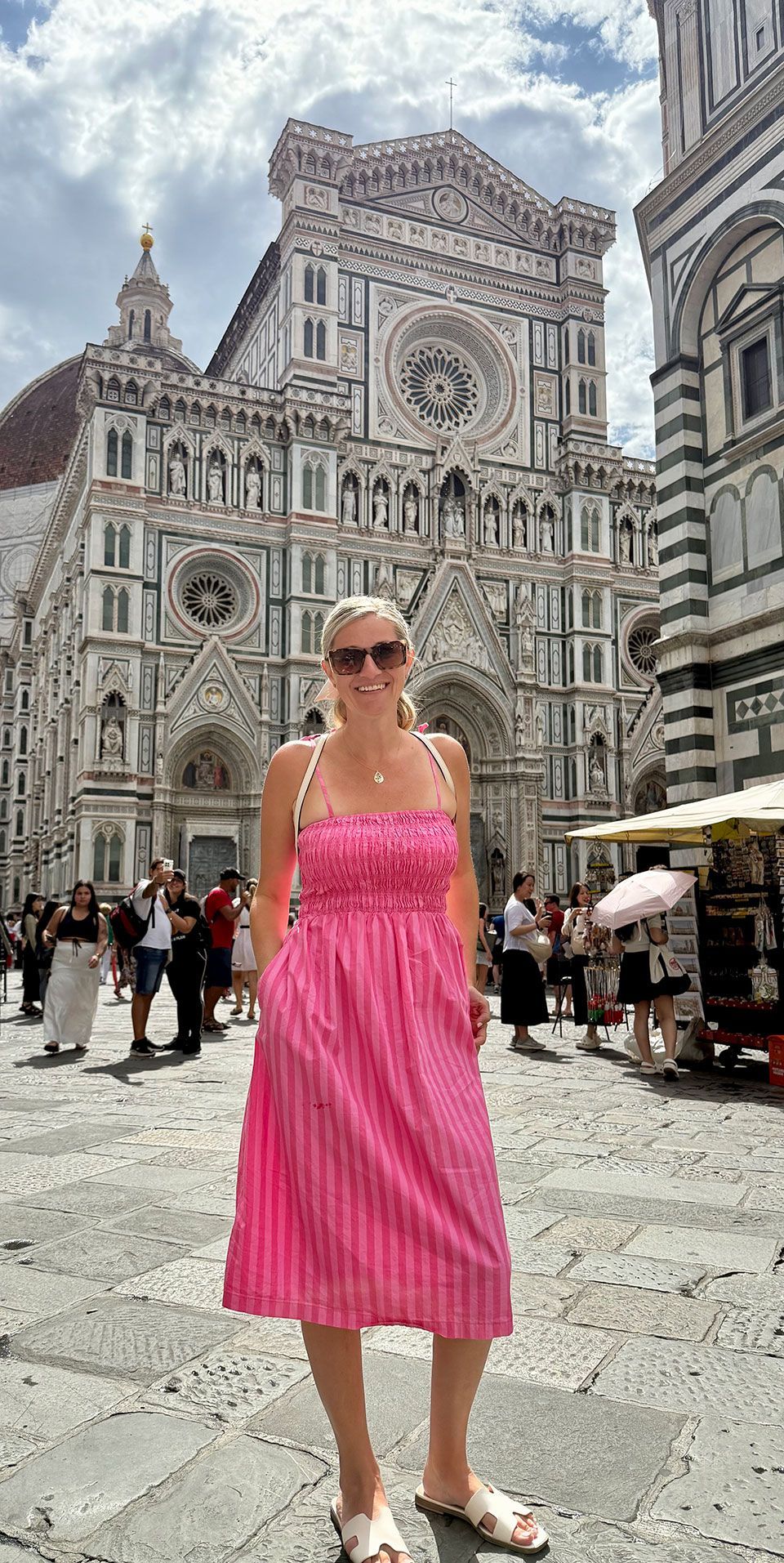
Jamie Cassidy – Founder & Travel Designer at Road & Table
Jamie Cassidy is the founder and travel designer behind Road & Table — a boutique travel brand curating food-forward journeys and authentic travel experiences around the world. From truffle hunts in Tuscany to oyster farms in Connemara, she believes every road leads to a great table (and an even better story).
© Jamie Cassidy and Road And Table, 2023. Unauthorized use and/or duplication of this material without express and written permission from this site’s author and/or owner is strictly prohibited. Excerpts and links may be used, provided that full and clear credit is given to Jamie Cassidy and Road and Table with appropriate and specific direction to the original content.